




Guided Chapel Hill Dental Implants
Every implant we place is planned in 3D first
Written by the Meadowmont Dentistry team. Medically reviewed by Dr. Corey Wilson, DDS. Last reviewed: August 2026.
What an implant actually replaces
An implant replaces the root of the tooth you lost, which is the part that keeps your jawbone working and keeps the teeth on either side from leaning into the gap.
Most patients come to us for one of a few reasons. A tooth cracked below the gum and could not be saved. A dentist pulled a tooth years ago, and the bridge that replaced it is now failing. A lower denture slides during dinner. In each case the missing crown is the visible problem, and the missing root is why the problem keeps growing.
We talk through the alternatives before we recommend anything. A bridge means reshaping healthy teeth on both sides of the gap. A partial denture comes in and out. An implant stands on its own and asks nothing of the teeth beside it. Which one makes sense depends on your bone, your bite, your health history, and your budget, and we will tell you when an implant is the wrong call.
Why do we guide every implant case?
We guide every implant case, which means we map the exact position, angle, and depth of your implant in planning software before we touch anything, then place it through a custom surgical guide made for your mouth.
Guided placement is not something we save for the hard cases. It is how we do all of them. Four pieces of technology make that possible:
- Sirona Galileos XG-3D cone beam CT: a 3D scan of your jaw that shows us bone height, bone width, and what sits around the site.
- iTero digital scan: a digital impression of your teeth and your bite, so no part of the plan depends on a tray of putty.
- Galaxis implant planning software: where we combine the two scans, judge bone quality and quantity, and decide exactly where the implant goes.
- A custom surgical guide: a physical guide fabricated for your mouth that holds placement to the plan we built on screen.
Dr. Corey Wilson is a Fellow of the International Congress of Oral Implantology and has spent thirteen years at this practice, the last seven as its owner, with much of that time focused on implant restoration and full-mouth reconstruction. Planning a case in software and then following that plan in the mouth is what keeps the final tooth in line with your bite rather than close to it.
What your implant consultation includes, and what we charge for it
Our implant consultations are not complimentary, and the only thing we charge for is the CT scan.
If we review that scan and decide you are not a good candidate for an implant, we refund the scan fee or never charge it. We would rather tell you no and hand the money back than sell you a case that will not hold.
Here is what a consultation covers:
- Health history and medications: we review both, because some conditions and some prescriptions change the way bone heals.
- Clinical exam: we look at the site itself, the teeth around it, your gum tissue, and how your bite comes together.
- Galileos 3D CT scan and iTero digital scan: the two scans we build the entire plan from.
- Galaxis planning review: we evaluate bone quality and quantity and tell you how feasible a successful case looks.
- The treatment plan: risks, options, and alternatives, in language you can repeat to your spouse in the parking lot.
- Money: fees, total cost, and the payment options that apply to your case.
Nobody here works on commission, and nobody will push you. We will never recommend treatment you do not need.
How implant treatment goes, step by step
Implant treatment happens in stages: we place the implant through your surgical guide, give it time to fuse with your bone, confirm it is stable enough to carry a tooth, and then make the restoration that goes on it.
Placing the implant
We place implants here, in our own office, using the guide we made from your scans. You are numb, you can take oral sedation if it helps, and you see the same faces you see at your cleanings. We tell you what we are about to do before we do it.
Confirming the implant is ready
Before we make anything final, we measure the implant with Osstell RFA technology. It gives us a real stability reading rather than a guess, so we know whether the implant has integrated and can carry a restoration. If the reading says wait, we wait.
Making the final tooth
We scan you with the iTero instead of filling your mouth with impression material, then make the final crown, bridge, or denture. We do not do same-day crowns, so your final restoration follows the lab work rather than arriving the day of your surgery. Crowns come in Zirconia and Emax porcelain, porcelain fused to metal, and gold, and we will talk through which one suits the tooth and the bite it has to live in.
One tooth, several teeth, or a whole arch
We place and restore single and multiple implants in our own office, and for full-arch cases we restore the teeth while our oral surgeon performs the surgery.
One missing tooth
A single implant with a crown on top. It stands alone, you clean it like a tooth, and it leaves the teeth on either side of it untouched.
Several missing teeth
Two or more implants can carry a bridge across a span, or hold a denture so it stops moving while you eat. Implant-supported dentures change how people live day to day more than almost anything else we do. We also make complete and partial dentures when implants are not the right fit for the mouth or the budget.
A whole arch
Full-arch cases, including the All-on-4 style treatments you have read about, usually call for deep or IV sedation, and we offer neither. We send the surgical portion to the oral surgeon we trust, stay in the case the whole way through, and restore the arch ourselves. For full-arch and full-mouth work we always make a temporary prosthesis first, so you can test drive the new smile, live with it for a while, and tell us what to adjust in function and appearance before we make the final one.
That referral is the exception rather than the habit. We handle almost every part of your care in this office and bring in a specialist only when a case genuinely calls for one, and even then we stay involved and see it through.
When bone grafting comes into it
Bone grafting enters the plan when there is not enough bone to hold an implant, and your CT scan tells us that long before anyone commits to a surgery date.
We do guided tissue regeneration, guided bone regeneration, and socket preservation. Socket preservation happens at the time of an extraction and keeps the site from collapsing while you decide what comes next. Bone regeneration rebuilds what is no longer there, and we use cadaver material for it. Patients ask about that, so we say it plainly here instead of letting it surprise anyone on consultation day.
We handle the extraction itself as well, including wisdom teeth, so you do not have to go somewhere else for the step right before your implant.
Caring for an implant, and the lifetime warranty
Our implants and restorations carry a lifetime warranty, with one honest exception: poor compliance or poor oral hygiene voids it.
We mean both halves of that. Guided placement and an Osstell stability check give an implant the best start we know how to give it, and what happens afterward is a partnership. Brush it, floss around it, keep your hygiene appointments, and let us look at it when you come in, and we will stand behind the work for good. Let the gum around it get infected and we cannot.
The home care that protects an implant is the same care we write about for the rest of your teeth.
TECHNOLOGY
Modern tools, better outcomes
Our doctors invest heavily in technology because it makes treatment more accurate, more comfortable, and more predictable. Some of the tools you will see at your visits:
Smiles that speak
for themselves
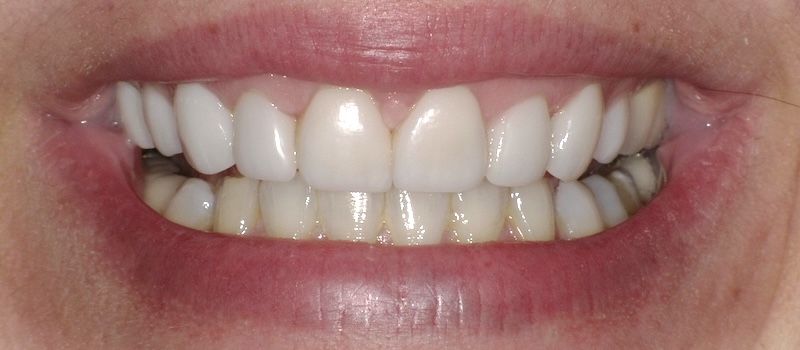
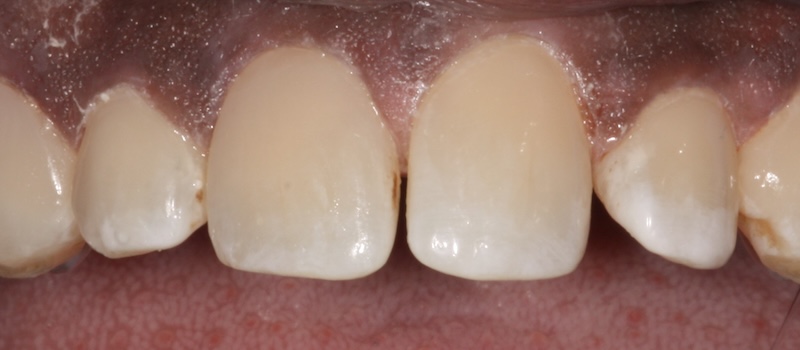
This is what’s possible. A few of the smiles we’ve had the privilege to transform at Meadowmont Dentistry.
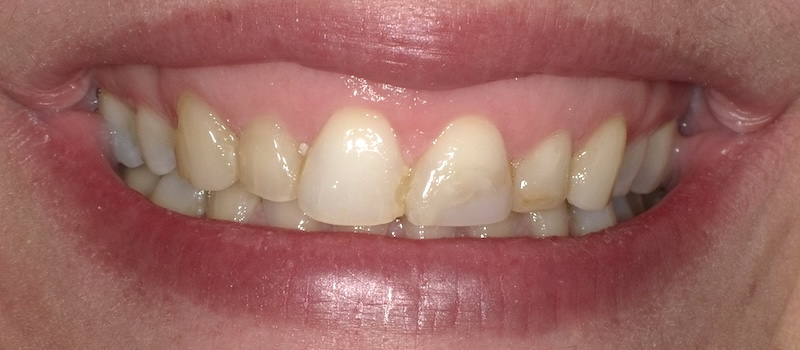
 Before
After
Before
After
Porcelain Veneers
Spent years hiding her teeth behind a closed-lip smile. Not anymore.
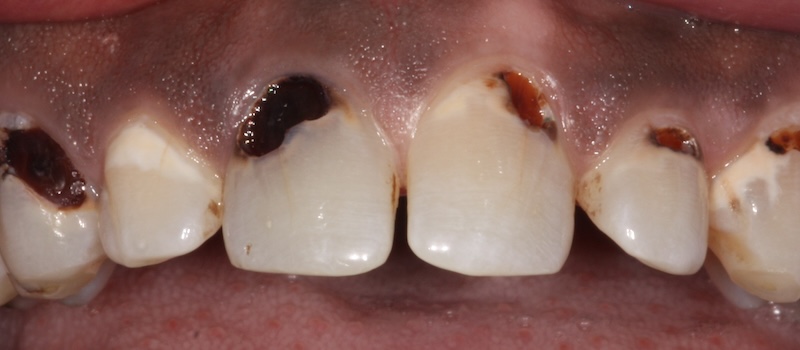
 Before
After
Before
After
Cosmetic Makeover
Decades of coffee and wear had caught up with him. One plan later, the years fell away.
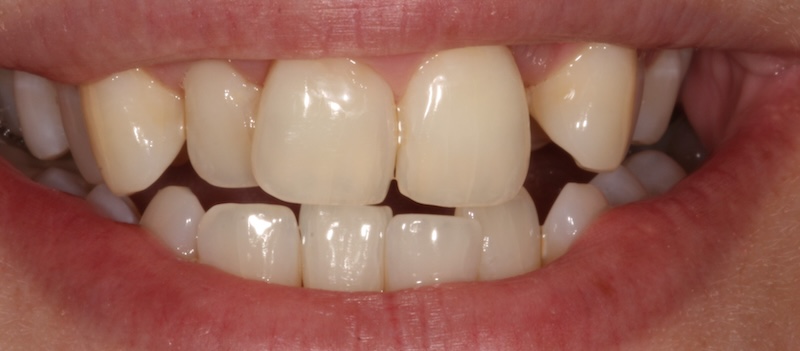
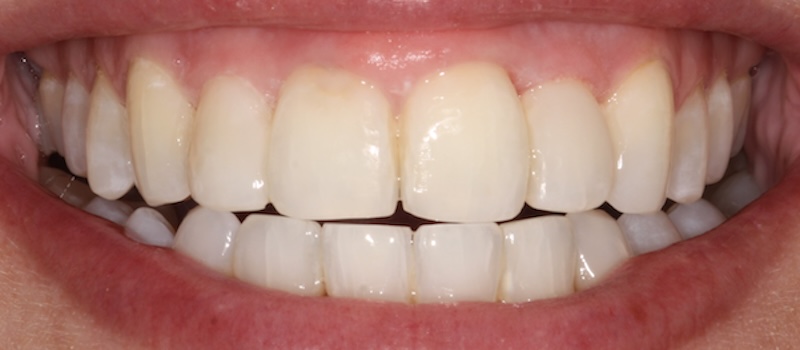 Before
After
Before
After
Invisalign
Straightened her smile without anyone noticing. Exactly how she wanted it.
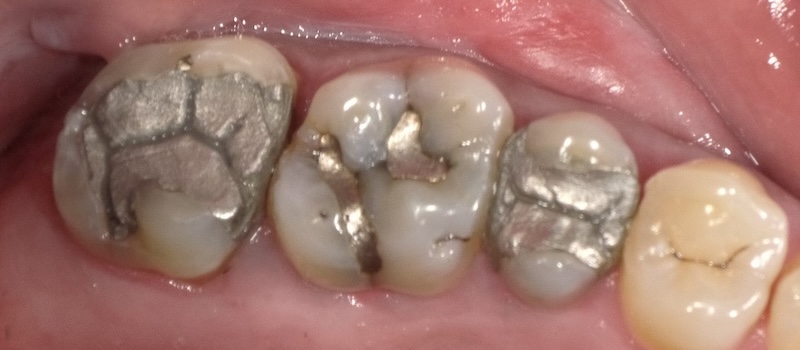
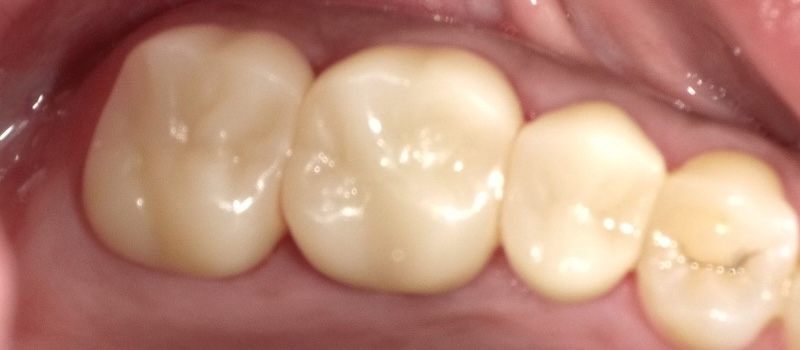 Before
After
Before
After
Restorative Dentistry
Came in avoiding his favorite foods. Left ready to bite into anything.
Your turn next. Schedule your consultation today.
Sedation & Comfort
Care that feels easy


Frequently Asked Questions
How much do Chapel Hill dental implants cost?
We do not publish implant prices, because the honest answer depends on how many implants you need, whether the site needs grafting first, and what restoration goes on top. Here is what we can tell you before you sit down. The implant consultation is not complimentary, we charge for the CT scan and nothing else, and if that scan shows you are not a good candidate we refund the scan or never charge it. We take cash, checks, credit cards, and dental membership plans, and we offer financing through CareCredit, Sunbit, and Proceed Financial. Natalie Johnson, our Office Manager and Treatment Coordinator, walks you through the full cost and every payment option before treatment begins.
Am I a candidate for a dental implant?
Bone decides it. The Galileos CT scan and Galaxis planning software let us measure how much bone you have and how good that bone is, and your health history and medications matter too, since both affect healing. Evaluating that is the entire purpose of the consultation. If the answer is no, you hear it from us that day, and we hand back what you paid for the scan.
How long does the implant process take?
We will not put a number on a web page, because healing is individual and the sequence changes with the case. What we can tell you is how we decide. After we place the implant, we take an Osstell stability reading, and that reading tells us when the implant is ready for its final restoration rather than a calendar telling us. A case that needs bone grafting first adds a stage. We map the whole sequence out for you at the consultation so you know what you are agreeing to.
Do you take my dental insurance?
We are out of network with every dental insurance plan, and we file your claims on your behalf so you are not chasing paperwork. We will review what your specific plan says about implant treatment and give you an estimate before you commit to anything.
What is recovery like, and how do I care for the implant afterward?
We go through post-operative instructions with you in person before you leave, and you can call us at (919) 969-9330 with anything that comes up. Longer term, an implant asks for what a natural tooth asks for: brushing, flossing around it, and keeping your hygiene appointments so we can watch the gum and bone that hold it.
How long do implants last, and what does the warranty cover?
We warranty all of our implants and restorations for life, and failures caused by poor compliance or poor oral hygiene void that warranty. We would rather state the caveat than bury it. We are also not going to quote you a survival statistic. What we will tell you is that we guide every placement, verify stability with Osstell before we load an implant, and back the result for as long as you hold up your end.
Payment and Insurance
Honest, flexible, easy to plan around
We are out of network with all dental insurance plans, but we file claims on your behalf so you only pay your estimated portion at the time of service. We accept cash, checks, credit cards, and most major financing through CareCredit and Sunbit. Custom payment arrangements are also available for qualifying treatment.
Our Treatment Coordinator will walk you through every cost before treatment begins, with no surprises and no pressure.



















Visit us in Meadowmont
-
 400 Meadowmont Village Circle, Suite 427
Chapel Hill, NC 27517
Get Directions
-
 (919) 969-9330
-
 Mon-Thu: 7AM–3PM